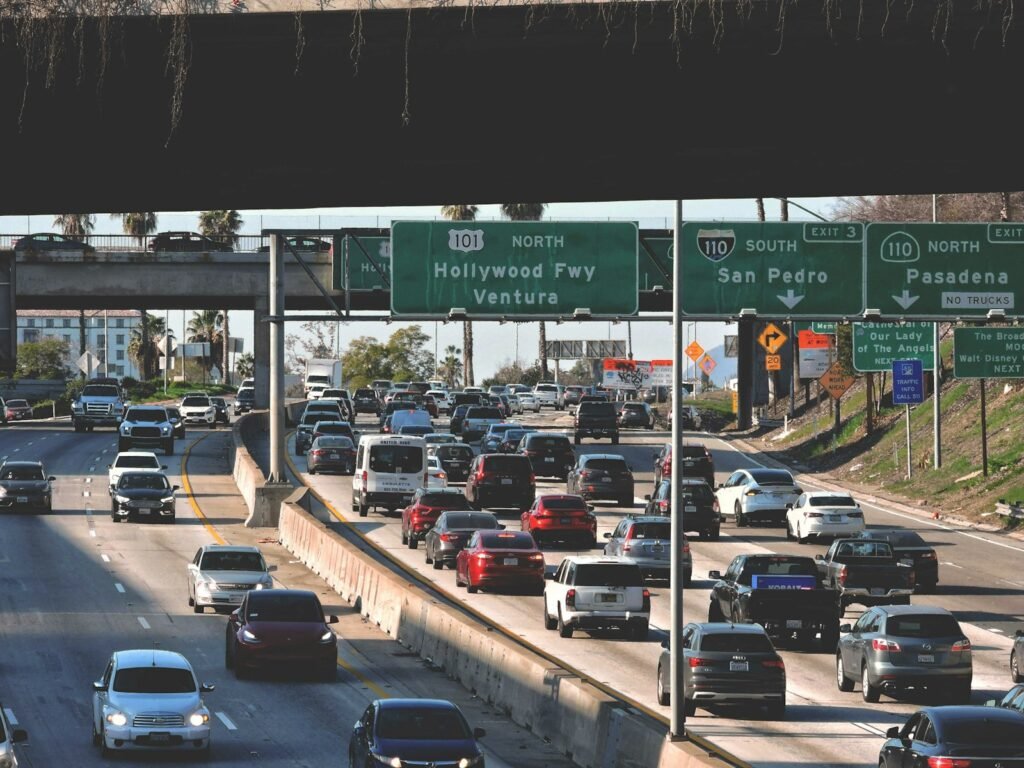
A car accident in California can leave drivers facing medical expenses, vehicle repairs, lost income, and complicated insurance questions. Understanding your legal rights after a collision is important, especially when multiple drivers may share responsibility.
California car accident laws establish how fault is determined, what compensation injured individuals may recover, and how long they have to file a lawsuit. California follows a fault-based insurance system and applies comparative negligence rules, meaning more than one party may share responsibility for an accident.
This guide explains the legal requirements, filing deadlines, and practical steps drivers should understand after a California car accident.
How Do California Car Accident Laws Determine Fault?
California uses a fault-based system, meaning the person or party legally responsible for causing an accident may be liable for resulting damages.
Fault is commonly determined by examining evidence such as police reports, witness statements, photographs, vehicle damage, and traffic law violations.
Under California Civil Code § 1714, individuals generally have a duty to exercise reasonable care to avoid harming others.
Drivers who violate traffic laws or fail to exercise reasonable care may be found negligent.
What Is California’s Comparative Negligence Rule?
California follows pure comparative negligence, allowing injured individuals to recover damages even when they are partially responsible for an accident.
However, compensation is reduced according to their percentage of fault.
For example, if an injured driver has $100,000 in recoverable damages but is found 30% responsible, their compensation would generally be reduced to $70,000.
This principle comes from the California Supreme Court’s decision in Li v. Yellow Cab Co. (1975).
What Compensation Can You Recover After a California Car Accident?
Injured individuals may recover economic and noneconomic damages when they establish a legally valid personal injury claim.
Potential compensation includes:
- Medical expenses: Emergency treatment, hospitalization, rehabilitation, and future medical care.
- Lost income: Wages lost during recovery and qualifying reductions in future earning capacity.
- Property damage: Vehicle repairs or replacement costs.
- Pain and suffering: Physical discomfort and emotional distress caused by the accident.
- Other losses: Additional expenses directly related to the collision.
Compensation depends on liability, available evidence, applicable legal limitations, and the extent of the injuries.
How Long Do You Have to File a Car Accident Lawsuit in California?
California generally provides two years to file a personal injury lawsuit and three years to file a lawsuit for property damage.
Under California Code of Civil Procedure § 335.1, most personal injury claims must be filed within two years.
Property damage claims generally fall under the three-year deadline in § 338.
Different rules may apply to minors, certain delayed-discovery situations, and claims involving government entities.
For many claims against public entities, a government claim must be presented within six months under California Government Code § 911.2.
Missing an applicable deadline may prevent recovery.
What Are California’s Minimum Car Insurance Requirements?
California drivers generally must carry liability insurance with minimum limits of $30,000 per injured person, $60,000 per accident for bodily injury, and $15,000 for property damage.
These minimum limits took effect January 1, 2025. Drivers may purchase additional coverage to protect against larger claims.
Uninsured and underinsured motorist coverage may also provide compensation when an at-fault driver lacks sufficient insurance, depending on the policy.
California DMV
+1
What Should You Do Immediately After a California Car Accident?
Taking appropriate steps after a collision can protect your health and preserve evidence.
- Check for injuries and call 911 when emergency assistance is necessary.
- Exchange contact, driver’s license, and insurance information.
- Photograph vehicle damage, road conditions, and the accident scene.
- Obtain contact information from witnesses.
- Seek medical attention for injuries.
- Notify your insurance company and preserve relevant documents.
California also requires a DMV accident report within 10 days when someone is injured or killed, or property damage exceeds $1,000. This reporting obligation generally applies regardless of fault.
California DMV
+1
Frequently Asked Questions About California Car Accident Laws
Can You Recover Compensation If You Were Partially at Fault?
Yes. California’s pure comparative negligence system generally allows recovery even when you share responsibility, although compensation is reduced by your fault percentage.
Is California a No-Fault Car Accident State?
No. California follows a fault-based liability system, allowing injured parties to pursue compensation from legally responsible parties.
Can You Sue an Uninsured Driver in California?
Yes. You may pursue a claim against an uninsured at-fault driver, although collecting compensation can be difficult if the driver lacks sufficient assets.
Do You Have to Report Every Car Accident in California?
No. However, qualifying accidents involving injuries, deaths, or property damage exceeding $1,000 must be reported to the DMV within 10 days.
Can You File a Car Accident Claim Without an Attorney?
Yes. However, legal assistance may be beneficial when injuries are serious, liability is disputed, or insurance negotiations become complicated.
Final Thoughts
Understanding California car accident laws can help injured drivers protect their rights, evaluate compensation options, and avoid missing important deadlines.
California’s comparative negligence rules, insurance requirements, and filing periods can significantly affect the outcome of an accident claim.
If you have been injured in a collision, consider consulting a licensed California personal injury attorney to review your circumstances and explain your legal options.
Legal Disclaimer: This article provides general educational information about California car accident laws and does not constitute legal advice. Legal requirements and deadlines may vary depending on individual circumstances.