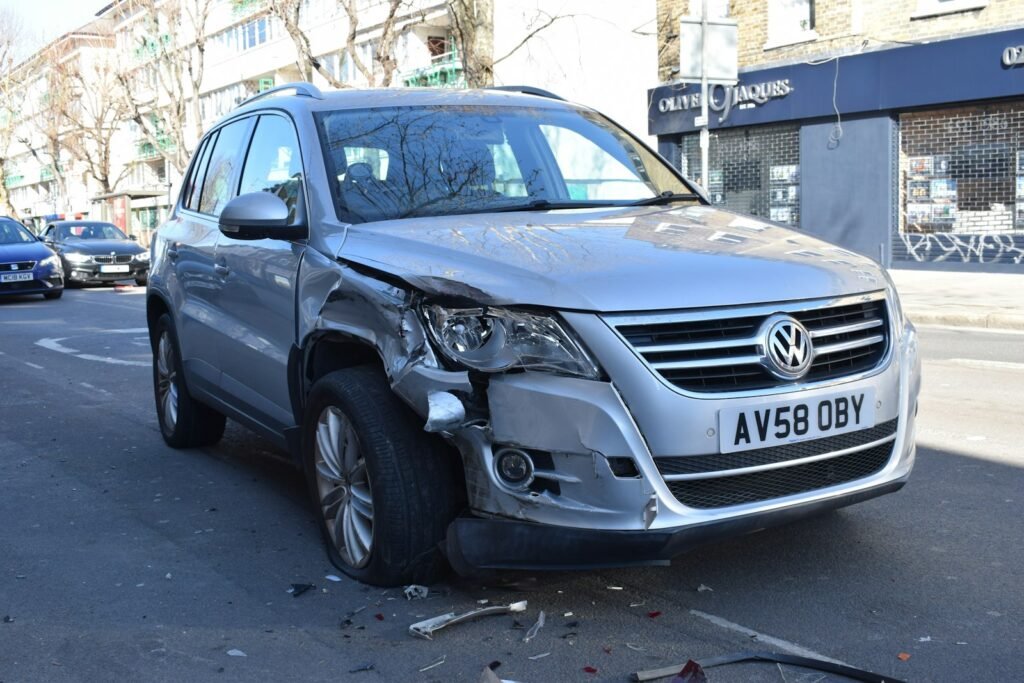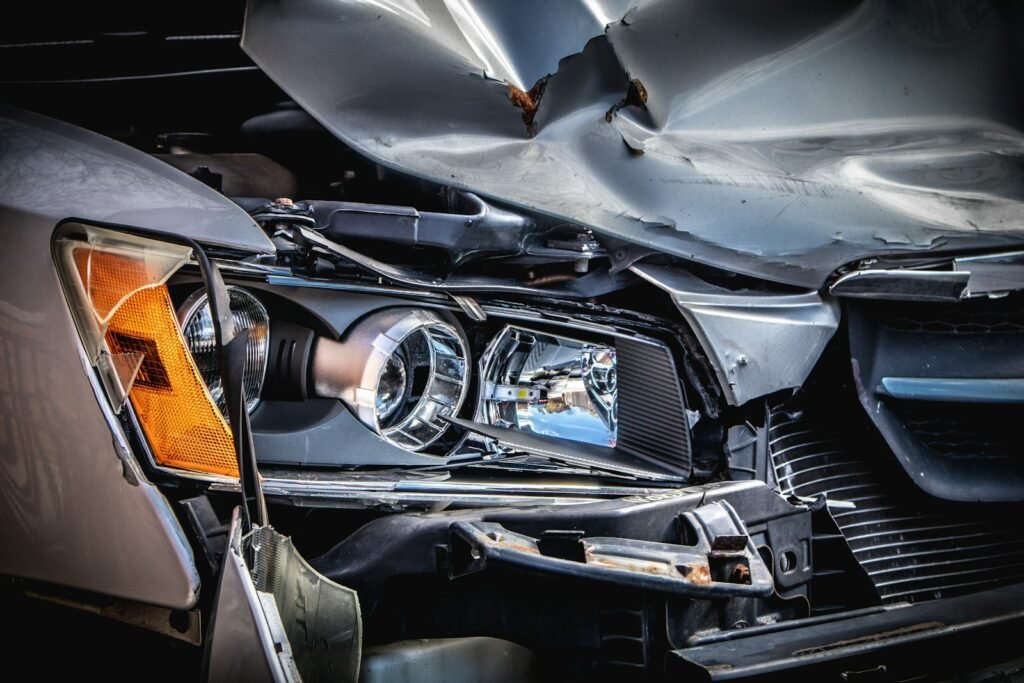
Getting into a car accident is stressful enough, but discovering that the at-fault driver has no insurance can make the situation even more complicated. You may face medical bills, vehicle repair costs, and lost income without knowing who will pay for your damages.
An accident with uninsured driver involvement does not automatically mean you must cover every expense yourself. Depending on your insurance policy and state laws, you may have several options for recovering compensation.
Understanding your rights and available insurance coverage can help you make informed decisions after a collision involving an uninsured motorist.
What Happens When an Uninsured Driver Causes an Accident?
When an uninsured driver causes an accident, the injured person may seek compensation through their own insurance coverage or pursue a legal claim against the responsible driver.
Most states require drivers to carry minimum liability insurance, although specific requirements and exceptions vary. Unfortunately, some motorists drive without the required coverage.
If the responsible driver has no insurance, you may need to rely on uninsured motorist coverage, medical payments coverage, or other available benefits.
You may also have the right to file a personal injury lawsuit, although collecting compensation from someone without sufficient financial resources can be difficult.
What Should You Do Immediately After an Accident With an Uninsured Driver?
Taking the right steps after an accident with uninsured driver involvement can help protect your health, legal rights, and potential insurance claim.
- Check for injuries: Call emergency services if anyone needs immediate medical attention.
- Report the accident: Contact law enforcement when required and explain the circumstances accurately.
- Collect information: Record the other driver’s name, contact details, license plate number, and vehicle information.
- Document the scene: Photograph vehicle damage, road conditions, and visible injuries when safe.
- Seek medical care: Obtain appropriate treatment and preserve your medical records.
- Notify your insurer: Report the collision promptly and ask about uninsured motorist benefits.
Avoid accepting informal payment arrangements without understanding your damages and legal options.
Does Uninsured Motorist Coverage Pay for Your Injuries?
Uninsured motorist coverage may compensate you for injuries caused by a driver who does not have liability insurance, subject to policy terms and state law.
Uninsured motorist bodily injury coverage, commonly called UM coverage, may help pay for medical expenses, lost wages, and other covered damages.
Some policies also provide uninsured motorist property damage coverage, which may help cover vehicle repairs.
Coverage requirements vary. Some states require insurers to offer uninsured motorist protection, while others make it optional or require written rejection.
Review your policy’s coverage limits, exclusions, and reporting requirements to understand which benefits may apply.
Can You Recover Compensation Without Uninsured Motorist Coverage?
You may still have options for recovering certain losses even if your policy does not include uninsured motorist coverage.
Personal injury protection (PIP) or medical payments coverage may pay qualifying medical expenses regardless of fault, depending on your policy and state law.
Collision coverage may help pay for vehicle repairs, subject to your deductible and policy conditions.
You may also pursue compensation directly from the responsible driver. However, a favorable court judgment does not guarantee payment if that person lacks sufficient assets or income.
Can You Sue an Uninsured Driver for Damages?
Yes. In many circumstances, you can file a personal injury lawsuit against an uninsured driver who negligently caused your injuries.
A lawsuit may seek compensation for medical bills, lost income, property damage, pain and suffering, and other legally recoverable losses.
You generally must establish the driver’s negligence, the connection between that negligence and your injuries, and the damages you suffered.
The applicable personal injury statute of limitations determines how long you have to file a lawsuit.
Before pursuing litigation, consider whether the driver has assets or other resources available to satisfy a judgment.
What If the Uninsured Driver Leaves the Accident Scene?
A hit-and-run accident may qualify for uninsured motorist benefits under certain insurance policies and state laws.
Report the collision to law enforcement promptly and provide any available details about the fleeing vehicle.
Photographs, witness statements, surveillance recordings, and dashcam footage may help establish what happened.
Some states impose special reporting, physical-contact, or corroboration requirements for hit-and-run uninsured motorist claims.
Notify your insurance company promptly to avoid missing applicable policy deadlines.
How Much Compensation Can You Receive After an Accident With an Uninsured Driver?
The amount of compensation available depends on your injuries, financial losses, insurance coverage, and applicable state law.
Potential damages include medical expenses, rehabilitation costs, lost wages, reduced earning capacity, and pain and suffering.
However, uninsured motorist policy limits may restrict the amount your insurer must pay. Other available coverage or responsible parties may affect your recovery options.
Keep medical bills, employment records, repair estimates, and accident documentation to support your claim.
Frequently Asked Questions About Uninsured Driver Accidents
Will my insurance pay if an uninsured driver hits me?
Possibly. Uninsured motorist coverage, collision coverage, PIP, or medical payments coverage may apply, depending on your policy and state.
Can I recover my deductible after an uninsured driver accident?
Possibly. Your insurer may pursue reimbursement from the responsible driver, but deductible recovery is not guaranteed.
What happens if the uninsured driver cannot afford to pay?
You may obtain a judgment but have difficulty collecting it. Available insurance benefits may provide a more practical source of compensation.
Does uninsured motorist coverage include pain and suffering?
Uninsured motorist bodily injury coverage may include pain and suffering when legally recoverable and covered under the policy.
Should I hire a lawyer after an uninsured driver accident?
Consider legal advice if you suffered significant injuries, face disputed liability, or encounter difficulties obtaining insurance benefits.
Final Thoughts
An accident with uninsured driver involvement can create financial uncertainty, but you may still have options for seeking compensation.
Review your insurance coverage, document your losses, and act promptly to preserve evidence and meet filing deadlines.
If you suffered injuries or substantial financial losses, consider consulting a licensed personal injury attorney in your state. An attorney can evaluate available coverage, explain your legal options, and help you determine the next steps toward pursuing compensation.
Legal Disclaimer: This article provides general educational information about U.S. personal injury and insurance laws. It does not constitute legal advice. Coverage requirements and legal remedies vary by state.