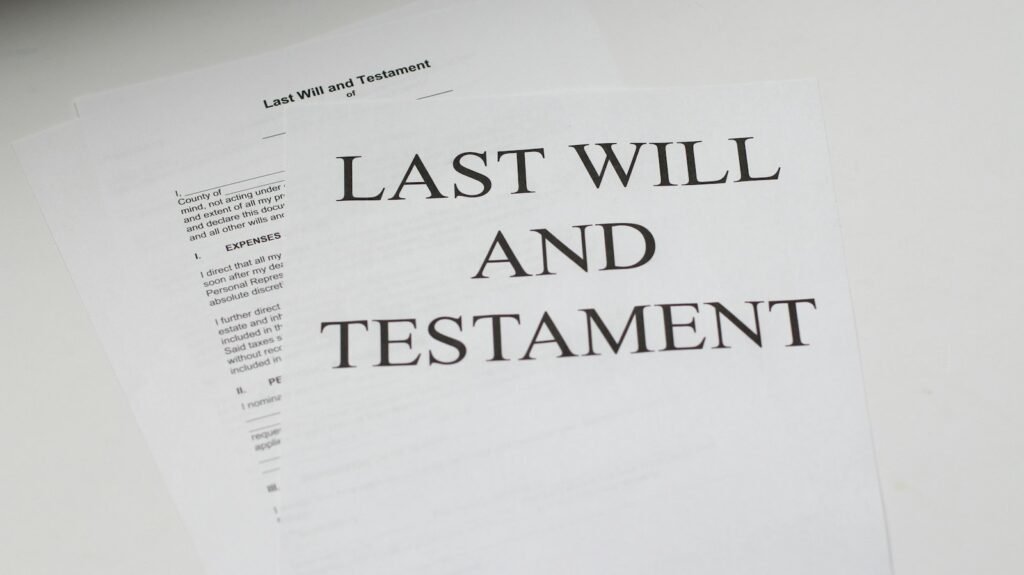
Planning how your assets will be managed and distributed after your death is an important part of protecting your family’s financial future. Two common estate planning tools are wills and living trusts, but they serve different purposes.
Understanding will vs living trust differences can help you decide how to transfer property, plan for incapacity, and potentially reduce the need for probate.
Both documents can play valuable roles in an estate plan. However, their effectiveness depends on state law, the types of assets you own, and your personal circumstances.
What Is a Will in Estate Planning?
A will is a legal document that explains how you want certain assets distributed after death and can identify an executor and preferred guardians for minor children.
A valid will generally becomes operative at death and must satisfy applicable state requirements.
A will may allow you to:
- Identify beneficiaries for probate assets.
- Name an executor to administer your estate.
- Nominate guardians for minor children.
- Provide instructions for distributing personal property.
However, having a will does not automatically eliminate probate.
What Is a Living Trust and How Does It Work?
A living trust is a legal arrangement created during your lifetime that allows a trustee to manage assets held in the trust for designated beneficiaries.
A revocable living trust generally allows the person creating it, called the grantor, to retain control and make changes while legally capable.
The grantor may also serve as the initial trustee.
A successor trustee can manage trust assets if the grantor becomes incapacitated or dies, according to the trust’s terms.
For the trust to control an asset, ownership or beneficiary arrangements generally must be properly established.
What Are the Main Differences Between a Will and a Living Trust?
The primary will vs living trust differences involve probate, asset management, privacy, and when each document operates.
| Will | Living trust |
|---|---|
| Generally takes effect at death | Can operate during your lifetime |
| Usually directs probate assets | Controls assets properly placed in the trust |
| May require probate | Can avoid probate for properly funded assets |
| Can nominate guardians for minor children | Does not replace guardian nominations in a will |
| May become part of public probate records | Usually remains outside public probate filings |
The best arrangement depends on your estate planning goals.
Does a Living Trust Help Avoid Probate?
Yes. Assets properly transferred into a living trust generally can pass under the trust’s terms without going through probate.
Probate is the court-supervised process used to administer certain assets after death.
Avoiding probate may reduce delays and administrative expenses in some circumstances.
However, assets left outside the trust may still require probate unless another transfer mechanism applies.
A living trust must be properly funded to provide its intended benefits.
Is a Living Trust Better Than a Will?
Neither option is automatically better because wills and living trusts address different estate planning needs.
A will may be sufficient for someone with a straightforward estate and limited probate concerns.
A living trust may be useful for individuals seeking ongoing asset management, incapacity planning, or probate avoidance.
Some people benefit from having both documents as part of a coordinated estate plan.
Can a Living Trust Protect Your Assets From Creditors?
A standard revocable living trust generally does not protect your assets from your own creditors during your lifetime.
Because the grantor usually retains control over the trust, assets may remain reachable by qualifying creditors.
Certain irrevocable trusts may provide different protections, depending on their structure and applicable law.
A living trust should not automatically be viewed as an asset protection strategy.
What Happens If You Become Incapacitated?
A properly structured living trust may allow a successor trustee to manage trust assets if the grantor becomes incapacitated.
A will generally does not provide lifetime financial management authority.
However, a living trust does not replace every incapacity planning document.
A durable financial power of attorney and appropriate healthcare directives may still be necessary.
How Much Does a Will or Living Trust Cost?
A living trust often involves higher initial preparation and funding costs than a basic will.
Expenses depend on estate complexity, attorney fees, property ownership, and state requirements.
Trusts may also involve ongoing administration responsibilities.
Although wills may cost less initially, probate expenses can affect the total cost of administering an estate.
Frequently Asked Questions About Wills and Living Trusts
Can you have both a will and a living trust?
Yes. Many estate plans include a living trust and a pour-over will to address assets not transferred into the trust.
Does a living trust replace a will?
Not entirely. A will may still be needed to nominate guardians and address certain assets outside the trust.
Can you change a living trust after creating it?
A revocable living trust generally can be amended or revoked while the grantor has the required legal capacity.
Does a living trust reduce estate taxes?
A basic revocable living trust does not automatically reduce estate taxes. Tax planning depends on the trust structure and applicable laws.
Do beneficiaries pay taxes on inherited trust assets?
Tax consequences depend on the asset, trust structure, income generated, and applicable federal and state tax rules.
Final Thoughts
Understanding will vs living trust differences can help you choose estate planning documents that support your financial and family goals.
A will provides important instructions for distributing probate assets and nominating guardians, while a living trust can offer lifetime asset management and probate avoidance for properly funded property.
Consider consulting a licensed estate planning attorney in your state to determine whether a will, living trust, or combination of both best suits your circumstances.
Legal Disclaimer: This article provides general educational information about wills and living trusts in the United States. It does not constitute legal advice. Estate planning requirements and legal consequences vary by jurisdiction.