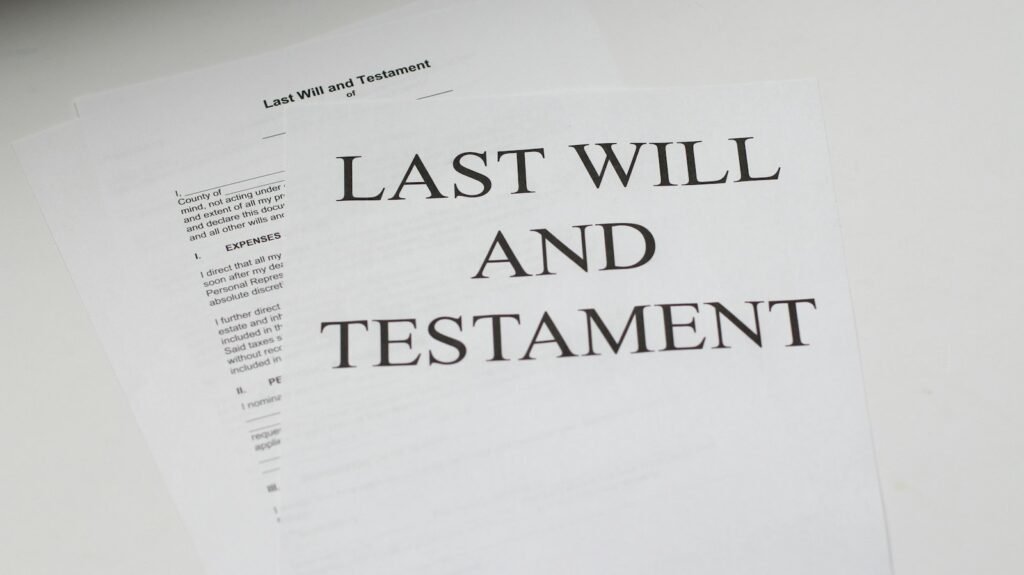
When someone dies, their family may need to go through probate before certain assets can be distributed to beneficiaries. This legal process can involve court filings, debt payments, property valuations, and other administrative responsibilities.
Understanding the probate cost and timeline can help families prepare for potential expenses and delays. In the United States, probate expenses and processing times vary depending on state law, estate size, asset complexity, and whether disputes arise.
While some estates qualify for simplified procedures, others require extensive court supervision and may take considerably longer to settle.
What Is Probate and Why Is It Necessary?
Probate is the legal process used to administer a deceased person’s estate, address valid debts, and distribute probate assets to eligible beneficiaries.
The court may appoint an executor named in a valid will or an administrator when necessary.
The personal representative generally identifies assets, notifies creditors, handles financial obligations, and distributes remaining property.
However, not every estate requires formal probate. Certain assets transfer directly through beneficiary designations, survivorship rights, or trusts.
How Much Does Probate Typically Cost?
Probate costs vary significantly based on estate value, state requirements, professional fees, and administrative complexity.
Common expenses include:
- Court filing fees: Charges for opening probate proceedings and submitting required documents.
- Attorney fees: Legal expenses for estate administration, court filings, and resolving disputes.
- Executor compensation: Payment to the personal representative when authorized.
- Appraisal fees: Costs associated with valuing real estate or other assets.
- Accounting expenses: Fees for preparing financial reports or required tax filings.
Some states establish statutory compensation schedules, while others evaluate whether fees are reasonable.
How Long Does the Probate Process Take?
Probate may take several months to more than a year, depending on the estate and applicable state procedures.
Straightforward estates with cooperative beneficiaries and limited assets may conclude relatively quickly.
More complicated estates can take longer because of creditor notice periods, property sales, tax matters, or litigation.
Certain states also require mandatory waiting periods before estate administration can be completed.
There is no single nationwide probate deadline.
What Factors Affect Probate Cost and Timeline?
Several circumstances can influence how expensive and time-consuming probate becomes.
These include:
- Estate size: Larger estates may require additional administration.
- Asset complexity: Businesses, multiple properties, or difficult-to-value assets can create delays.
- Family disputes: Will contests and beneficiary disagreements may require litigation.
- Creditor claims: Outstanding debts must be addressed according to applicable law.
- State requirements: Court procedures and statutory deadlines differ.
- Executor efficiency: Organized records and timely filings may reduce unnecessary delays.
Each estate presents different administrative challenges.
What Are the Main Steps in the Probate Process?
Probate generally involves opening the estate, identifying assets, addressing debts, and distributing property under court supervision when required.
The typical process includes:
- Filing a probate petition with the appropriate court.
- Appointing an executor or administrator.
- Identifying and valuing estate assets.
- Notifying creditors and interested parties.
- Paying valid debts, expenses, and applicable taxes.
- Distributing remaining assets to beneficiaries.
- Completing required accounting and closing procedures.
Some states offer simplified procedures for qualifying estates.
Who Pays Probate Fees and Expenses?
Probate expenses are generally paid from estate assets before remaining property is distributed to beneficiaries.
The personal representative may use available estate funds to cover authorized administrative expenses.
Beneficiaries typically receive their inheritance after valid debts and estate obligations have been addressed.
If an estate lacks sufficient assets, state law determines payment priorities.
Family members generally are not personally responsible for estate debts solely because they are beneficiaries.
Can You Reduce Probate Costs or Avoid Probate?
Certain estate planning strategies may reduce probate expenses or allow qualifying assets to transfer outside probate.
Common options include revocable living trusts, beneficiary designations, payable-on-death accounts, and jointly owned property with survivorship rights.
However, these arrangements must be properly established and maintained.
A will alone does not necessarily avoid probate.
What Happens If Probate Takes Too Long?
Delays may occur when beneficiaries disagree, assets are difficult to locate, or required documents remain incomplete.
Interested parties may request information from the personal representative or seek appropriate court intervention when legally justified.
An estate administration attorney can help identify the reasons for delays and explain available remedies.
Frequently Asked Questions About Probate
Is probate required if there is a will?
Possibly. A valid will generally directs probate property distribution but does not automatically eliminate probate requirements.
Can probate be completed in six months?
Some estates may be completed within six months, but mandatory deadlines and administrative complications can extend the process.
Does probate cost more for larger estates?
It can. Certain expenses increase with estate value, although costs also depend on complexity and state law.
Can beneficiaries receive money before probate ends?
Sometimes. Partial distributions may be permitted when sufficient funds remain to satisfy estate obligations.
Is probate more expensive without a will?
Not necessarily. However, intestate administration may create additional complications, particularly when heirship disputes arise.
Final Thoughts
Understanding the probate cost and timeline can help families anticipate the financial and administrative responsibilities involved in settling an estate.
Although straightforward estates may move through probate relatively quickly, disputes, complex assets, and state-specific requirements can increase expenses and delays.
If you are administering an estate or preparing your own estate plan, consider consulting a licensed probate or estate planning attorney in your state. Legal guidance can help clarify court requirements, identify potential expenses, and explore appropriate probate-avoidance strategies.
Legal Disclaimer: This article provides general educational information about probate procedures in the United States and does not constitute legal advice. Probate costs, deadlines, and administration requirements vary by jurisdiction.