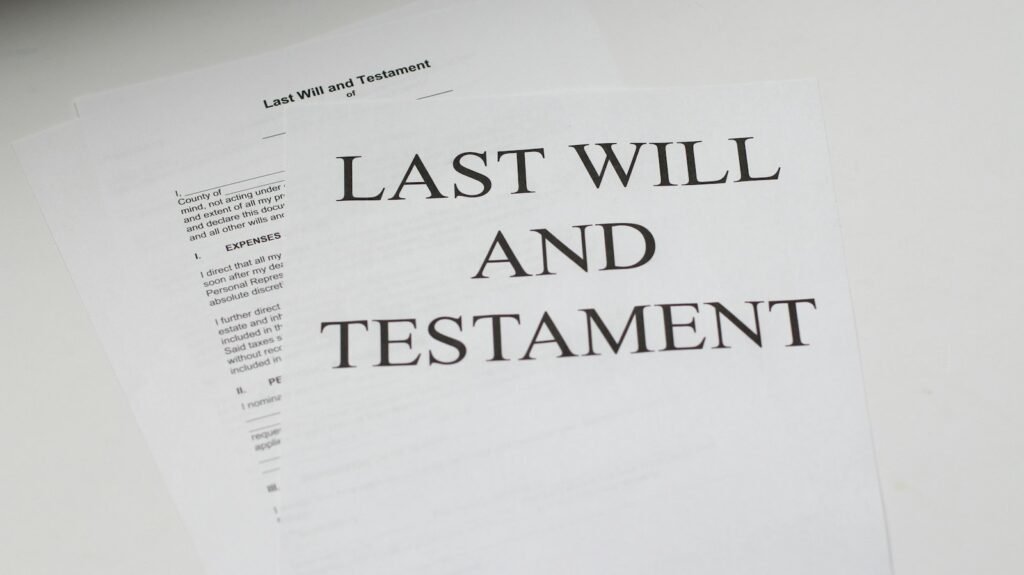
Probate can create additional expenses, paperwork, and delays for families settling a loved one’s estate. Although living trusts are commonly used to avoid probate, they are not the only available estate planning option.
If you are wondering how to avoid probate without establishing a trust, several legal strategies may allow certain assets to transfer directly to beneficiaries after death. These include beneficiary designations, joint ownership arrangements, payable-on-death accounts, and transfer-on-death deeds where permitted.
However, probate avoidance depends on state law, asset ownership, and proper documentation. Understanding your options can help you create an estate plan that supports your family’s needs.
Can You Avoid Probate Without a Living Trust?
Yes. You can avoid probate for certain assets without creating a living trust by using legally recognized beneficiary designations and ownership arrangements.
Probate is the court-supervised process used to administer a deceased person’s probate estate, settle valid debts, and distribute remaining property.
Assets that transfer automatically through valid beneficiary designations or survivorship rights generally do not require probate.
However, these arrangements do not necessarily eliminate probate for every asset you own.
How to Avoid Probate Using Beneficiary Designations
Naming beneficiaries on eligible financial accounts is one of the simplest ways to transfer assets outside probate.
Many financial products allow account owners to designate individuals who will receive assets after death.
Examples include:
- Life insurance policies.
- Individual retirement accounts (IRAs).
- Employer-sponsored retirement plans.
- Certain investment and brokerage accounts.
Beneficiary designations generally control the transfer of these assets, even when a will contains different instructions.
Reviewing beneficiaries after marriage, divorce, or other major life changes can help prevent unintended distributions.
What Is a Payable-on-Death Bank Account?
A payable-on-death (POD) account allows eligible bank funds to transfer directly to a designated beneficiary after the account owner’s death.
The owner generally retains control over the account during their lifetime.
After death, the beneficiary may claim the funds by providing documentation required by the financial institution.
POD arrangements can reduce probate requirements for covered accounts.
However, they do not automatically transfer unrelated property or eliminate valid creditor rights.
Can Joint Ownership Help Avoid Probate?
Certain joint ownership arrangements allow property to pass directly to the surviving owner without probate.
Joint tenancy with right of survivorship is a common example.
When one owner dies, the surviving owner may automatically receive the deceased owner’s interest under applicable law.
Some states also recognize tenancy by the entirety for qualifying married couples.
However, not every jointly owned asset includes survivorship rights. Adding another owner can also create tax, creditor, and ownership consequences.
Can You Avoid Probate for Your Home Without a Trust?
Some states permit homeowners to use transfer-on-death deeds or other legal arrangements to transfer real estate outside probate.
A transfer-on-death deed generally allows an owner to name a beneficiary who receives the property upon the owner’s death.
The homeowner typically retains ownership and control during life.
However, transfer-on-death deeds are not available in every state, and recording requirements vary.
Other states may offer alternative real estate transfer procedures.
Does Having a Will Help You Avoid Probate?
No. A will does not automatically prevent probate because it generally provides instructions for distributing assets subject to estate administration.
A valid will can identify beneficiaries, nominate an executor, and provide guardianship preferences for minor children.
However, probate may still be necessary to establish the will’s validity and administer certain assets.
A will remains an important estate planning document even when other probate-avoidance strategies are used.
Can Small Estates Avoid Formal Probate?
Many states provide simplified estate administration procedures for qualifying smaller estates.
Depending on state law, heirs may use small estate affidavits or streamlined court procedures to collect eligible property.
Qualification may depend on estate value, asset type, waiting periods, and other requirements.
Simplified administration is not always the same as avoiding probate entirely.
What Are the Risks of Avoiding Probate Without a Trust?
Probate-avoidance methods can create problems when beneficiary information is outdated or ownership arrangements are poorly structured.
Potential concerns include conflicting beneficiary designations, unintended transfers, creditor claims, and limited planning for incapacity.
Some arrangements also provide less flexibility than a properly structured trust.
Professional estate planning guidance can help identify these risks.
Frequently Asked Questions About Avoiding Probate
Can all assets avoid probate without a trust?
Not necessarily. Some assets may still require probate depending on ownership, beneficiary arrangements, and state law.
Do life insurance proceeds go through probate?
Life insurance proceeds generally transfer directly to valid named beneficiaries, although exceptions may apply.
Can a bank account avoid probate?
Yes. Eligible accounts with valid payable-on-death beneficiaries may transfer outside probate.
Does joint ownership always avoid probate?
No. Probate avoidance depends on whether the ownership arrangement includes legally effective survivorship rights.
Can you avoid probate without hiring an attorney?
Some beneficiary arrangements can be completed independently, but legal guidance may help prevent costly estate planning mistakes.
Final Thoughts
Understanding how to avoid probate without creating a trust can help you identify practical ways to transfer property and reduce administrative burdens for your family.
Beneficiary designations, payable-on-death accounts, survivorship ownership, and qualifying transfer-on-death deeds may allow certain assets to pass outside probate.
However, these strategies must be coordinated carefully to avoid unintended consequences.
Consider consulting a licensed estate planning attorney in your state to review your assets, evaluate available probate-avoidance options, and develop a plan that reflects your wishes.
Legal Disclaimer: This article provides general educational information about probate avoidance and estate planning in the United States. It does not constitute legal advice. Property transfer requirements and probate laws vary by jurisdiction.