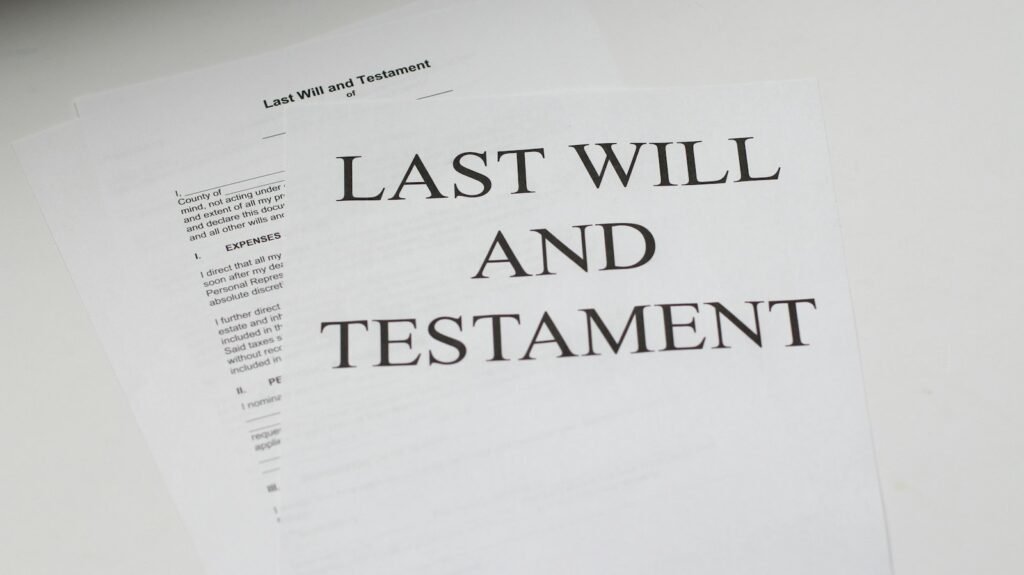
An unexpected illness, serious injury, or age-related condition can make it difficult to manage financial and legal responsibilities. Without proper planning, family members may face challenges accessing accounts, paying bills, or handling important decisions on your behalf.
A durable power of attorney is an estate planning document that allows you to appoint a trusted person to act on your behalf, with authority that generally continues if you become incapacitated.
Understanding how this document works, what authority it provides, and when to create one can help protect your interests and reduce uncertainty for your family.
What Is a Durable Power of Attorney?
A durable power of attorney is a legal document that authorizes another person to make specified decisions on your behalf, even if you later lose the capacity to manage those matters yourself.
The person creating the document is called the principal, while the individual receiving authority is known as the agent or attorney-in-fact.
The agent’s authority depends on the document’s terms and applicable state law.
A durable power of attorney generally remains effective during incapacity, unlike a nondurable power of attorney that ordinarily terminates when the principal becomes incapacitated.
How Does a Durable Power of Attorney Work?
A durable power of attorney allows a designated agent to perform authorized financial or legal tasks for the principal.
Depending on the document, an agent may be permitted to:
- Manage bank accounts and financial transactions.
- Pay bills and handle household expenses.
- Manage real estate or other property.
- File tax documents or communicate with financial institutions.
- Handle certain business or legal matters.
The agent must act within the authority granted and comply with applicable fiduciary duties.
A financial power of attorney does not automatically authorize healthcare decisions.
What Is the Difference Between Durable and Regular Power of Attorney?
The primary difference is whether the agent’s authority continues after the principal becomes incapacitated.
A durable power of attorney generally remains effective during incapacity.
A nondurable power of attorney usually terminates when the principal loses legal capacity.
Both documents may be limited to specific transactions or grant broader authority, depending on their terms.
State law determines the requirements for creating a legally durable document.
When Does a Durable Power of Attorney Become Effective?
A durable power of attorney may become effective immediately or upon a specified future event, depending on state law and the document’s wording.
An immediately effective document allows the agent to act once the legal requirements for effectiveness are satisfied.
A springing power of attorney becomes effective only after a triggering event, such as a legally defined determination of incapacity.
Some states impose specific requirements or restrictions on springing arrangements.
Why Is a Durable Power of Attorney Important for Estate Planning?
A durable power of attorney helps ensure that a trusted person can manage authorized affairs if you become unable to act independently.
Without this document, family members may need to seek court-appointed conservatorship or guardianship authority.
Court proceedings can involve legal expenses, delays, and ongoing reporting requirements.
A properly prepared power of attorney may reduce the need for court intervention, although it does not eliminate every possible legal issue.
Who Should You Choose as Your Power of Attorney Agent?
Choosing an agent requires careful consideration because the person may receive significant control over your finances.
A suitable agent should be trustworthy, financially responsible, organized, and willing to follow your instructions.
You may also consider naming a successor agent if your first choice becomes unavailable.
An agent is not required to be an attorney simply because the legal term attorney-in-fact is used.
Can You Change or Revoke a Durable Power of Attorney?
Yes. A principal who retains the required legal capacity can generally revoke or replace a durable power of attorney.
Revocation procedures vary by state.
You may need to provide written notice to the agent and relevant financial institutions.
A durable power of attorney generally terminates when the principal dies.
After death, authority over estate administration typically passes to an executor or other legally authorized representative.
Does a Durable Power of Attorney Cover Medical Decisions?
Not automatically. A financial durable power of attorney and a healthcare power of attorney serve different purposes.
A healthcare power of attorney allows an authorized person to make qualifying medical decisions under applicable state law.
Some states use different names for healthcare decision-making documents.
A complete incapacity plan may include both financial and healthcare directives.
Frequently Asked Questions About Durable Power of Attorney
Do you need a lawyer to create a durable power of attorney?
Not always. However, an estate planning attorney can help ensure the document meets state requirements and reflects your intentions.
Can two people share power of attorney authority?
Yes. Some states permit co-agents, although the document should clearly explain how they may act.
Does a durable power of attorney expire?
It may remain effective until revoked, terminated by its terms, or ended under applicable law.
Can an agent transfer money from your bank account?
Only when authorized by the document and applicable law. Agents must comply with their legal duties.
Is a durable power of attorney valid after death?
No. A power of attorney generally terminates upon the principal’s death.
Final Thoughts
A durable power of attorney is an important estate planning tool that helps protect your financial and legal interests if you become incapacitated.
By appointing a trusted agent and clearly defining their authority, you can reduce uncertainty and help loved ones manage essential responsibilities.
Consider consulting a licensed estate planning attorney in your state to prepare or review a durable power of attorney that meets legal requirements and supports your long-term planning goals.
Legal Disclaimer: This article provides general educational information about durable powers of attorney in the United States. It does not constitute legal advice. Document requirements, agent authority, and applicable laws vary by state.